

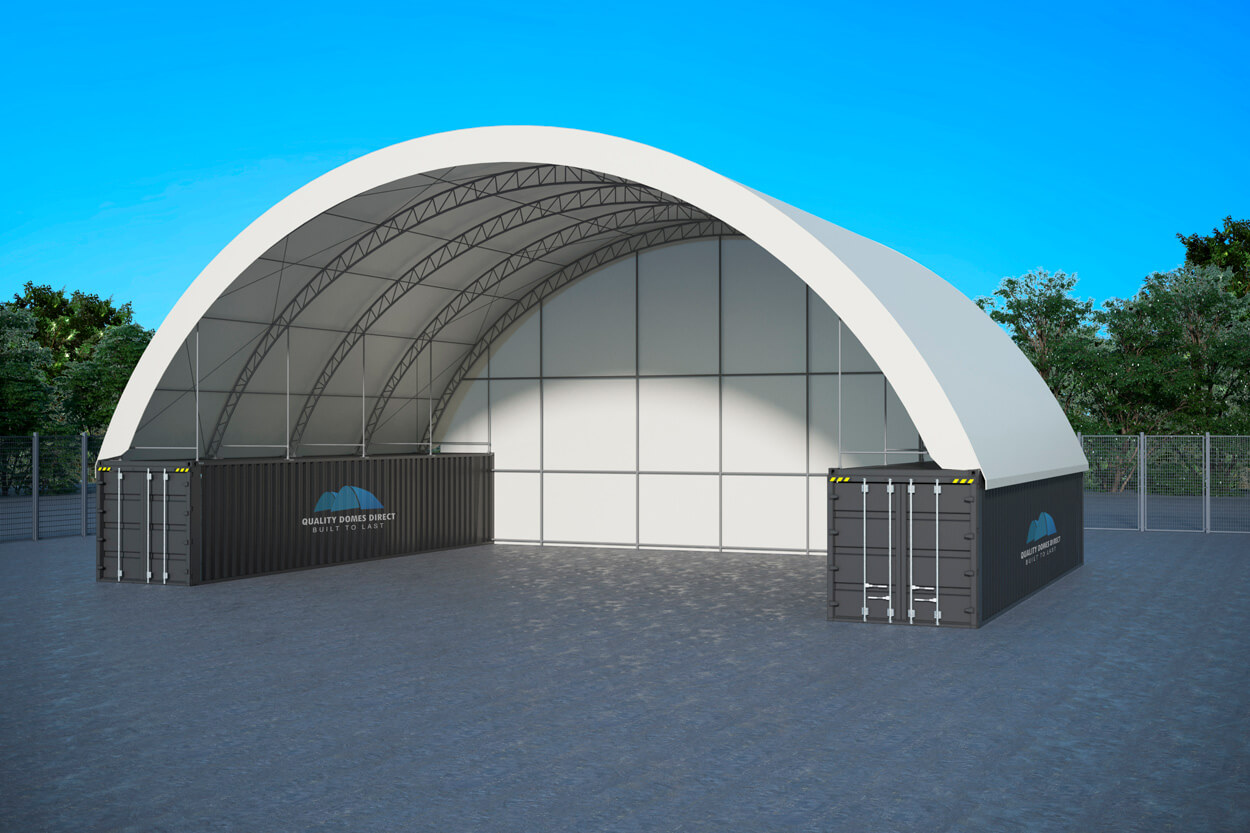
Agricultural industries around the world, especially in regions with unpredictable climates, are turning toward innovative shelter solutions to safeguard their assets. One such innovation making waves is the dome shelter — a versatile, durable, and eco-friendly structure designed to provide sustainable protection against the harshest weather conditions.
From shielding livestock and crops to protecting machinery and feed, dome shelters are proving to be an invaluable asset for modern farms. This article explores how these structures contribute to sustainability, resilience, and cost-efficiency in agricultural operations.
1. The Growing Need for Weather-Resistant Agricultural Infrastructure
Farmers today face a range of challenges — rising temperatures, unpredictable rainfall, prolonged droughts, and sudden storms. Traditional infrastructure, such as wooden sheds and metal barns, often struggles to withstand these conditions.
In contrast, dome shelters are designed to handle everything nature throws at them. Built using galvanized steel frames and high-tensile fabric membranes, these shelters can withstand heavy winds, rain, hail, and UV exposure. Their arched design naturally disperses stress, ensuring stability even in extreme weather.
As the agricultural sector increasingly seeks sustainable and cost-effective solutions, dome shelters stand out as a practical alternative to conventional buildings.
2. What Makes Dome Shelters Sustainable?
Sustainability in agriculture isn’t limited to crop production — it extends to infrastructure as well. Dome shelters contribute to sustainability in several key ways:
a. Minimal Environmental Impact
Unlike permanent buildings, dome shelters require no concrete foundations. They can be anchored using shipping containers, ground posts, or earth anchors, minimizing land disturbance. When relocated, the land beneath can easily be restored to its natural state.
b. Reusability and Portability
One of the biggest advantages of dome shelters is their portability. Farmers can relocate the structure as operations expand or move. This adaptability reduces the need for new materials and construction, lowering the farm’s overall carbon footprint.
c. Energy Efficiency
The curved design of dome shelters promotes natural ventilation and temperature regulation. The reflective fabric helps reduce heat absorption, keeping interiors cooler in summer and warmer in winter — significantly cutting down on energy use for climate control.
d. Longevity and Low Maintenance
High-quality dome shelters are built to last for decades, even in harsh climates. Their low maintenance requirements — no painting, roofing replacements, or rust issues — make them a sustainable long-term investment.
3. Applications of Dome Shelters in Agriculture
Dome shelters are incredibly versatile and can be customized for different agricultural needs. Some of the most common uses include:
a. Livestock Housing
Livestock require comfortable, well-ventilated shelters to stay healthy and productive. Dome shelters provide excellent airflow and protection from direct sunlight, rain, and wind — creating a more consistent environment for animals.
b. Crop and Feed Storage
For grain, hay, and feed storage, dome shelters offer superior moisture control. The fabric membranes prevent condensation while protecting stored materials from mold and rot, ensuring longer storage life and less waste.
c. Machinery and Equipment Protection
Tractors, harvesters, and other farming machinery represent major investments. Dome shelters safeguard this equipment from rust, UV damage, and weather deterioration, extending the life of valuable assets.
d. Workshop and Processing Areas
Dome shelters can also serve as field workshops, produce packing areas, or temporary greenhouses. Their spacious interiors allow farmers to carry out multiple operations without the constraints of traditional buildings.
4. Durability in Harsh Weather Conditions
Dome shelters are specifically engineered to endure the toughest weather conditions — from scorching sun to heavy storms. Their arched design evenly distributes stress, while the steel framework and industrial-grade fabric resist tearing, corrosion, and UV degradation.
In flood-prone or windy areas, dome shelters anchored to shipping containers provide additional stability and elevation. This modular design not only adds durability but also maximizes usable storage space by utilizing the containers beneath the dome.
5. Economic Advantages for Farmers
Beyond durability and sustainability, dome shelters offer significant financial benefits for agricultural businesses:
- Lower Construction Costs: They are faster and cheaper to install than traditional steel or concrete buildings.
- Reduced Maintenance: Minimal upkeep means fewer expenses over the years.
- Tax and Insurance Benefits: In some regions, temporary or relocatable structures may qualify for tax incentives or lower insurance premiums.
- Long-Term ROI: Their adaptability and lifespan make them a cost-effective solution for growing operations.
These economic factors make dome shelters not just an environmentally sound choice but also a smart business investment.
6. The Future of Sustainable Farming Infrastructure with Container Domes and Dome Shelters
As the agricultural industry continues to adapt to climate change, the focus on sustainability and resource efficiency will only intensify. Container domes and dome shelters represent forward-thinking solutions — offering eco-friendly construction, modular flexibility, and weather resilience all in one package. These innovative structures not only protect valuable farm assets but also promote sustainable land use by minimizing environmental impact.
Advancements in design and fabric technology, such as UV-resistant coatings, corrosion-proof framing, and self-cleaning membranes, are making container domes and dome shelters even more durable and energy-efficient. In the near future, we may also see solar-integrated container domes, enabling farms to generate renewable energy directly from their protective structures — a step that aligns perfectly with the vision of greener, smarter, and more sustainable agricultural infrastructure.
Conclusion
In a world where climate resilience and sustainability are becoming essential for agricultural success, dome shelters have proven to be more than just a storage option — they are a strategic investment in the future of farming. Their eco-friendly design, adaptability, and weather-resistant construction make them ideal for protecting agricultural assets in even the harshest conditions.
Whether used for livestock housing, crop storage, or machinery protection, dome shelters help farmers work smarter, save resources, and protect their livelihoods — all while treading lightly on the environment.
