

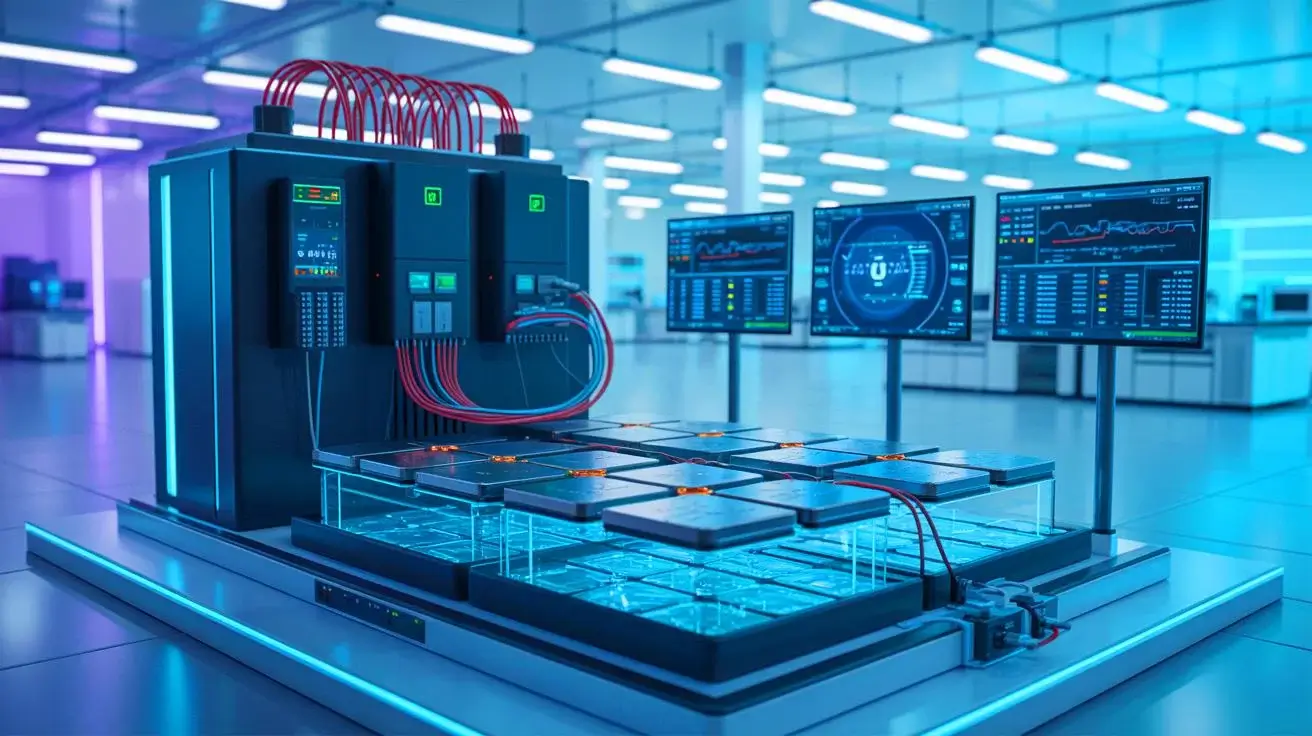
If you rely on batteries to keep things running — whether it’s a data center, telecom tower, or factory floor — you know they’re the silent heroes of power reliability. But without real-time monitoring, you’re essentially flying blind, hoping every cell is doing its job until something goes wrong.
Why Battery Monitoring Systems Matter More Than Ever
A battery monitoring system is like a constant health tracker for your power source. It measures voltage, current, temperature, and internal resistance across every battery or cell, showing exactly how well they’re performing. Instead of waiting for failures or guessing when to replace batteries, monitoring gives you facts — live, accurate, and actionable.
Think of it as an always-on diagnostic tool. When one cell starts to weaken, you’ll see it long before it causes downtime. The system sends alerts, logs trends, and helps plan maintenance when it’s actually needed, not when it’s too late.
This isn’t just about convenience. In critical environments — hospitals, data centers, renewable energy farms — an unnoticed battery fault can mean thousands in losses or even safety hazards. Monitoring gives you control. You see problems early, prevent overheating or overcharging, and keep systems operating within safe, stable limits. The peace of mind that comes with that kind of visibility is hard to put a price on.
What Makes Up a Modern Battery Monitoring System
The Sensors That Watch Every Move
Each battery cell is fitted with small sensors that track voltage, temperature, and impedance. These little devices capture every fluctuation in performance — the kind you’d never catch with manual testing.
The Brain — Data Collection and Communication
All that sensor data travels to a central controller or cloud platform. From there, the software analyzes it in real time, looking for irregularities or early warning signs. Systems today use smart communication protocols, so information flows instantly across large battery networks without delay.
The Dashboard You Actually Want to Use
Instead of endless numbers, you get clear visuals: trend graphs, alerts, color-coded health scores. A modern dashboard makes battery cell monitoring understandable even for non-engineers. You see where attention is needed — one glance tells you which batteries are healthy and which need service.
Seamless Integration With Energy Systems
Good monitoring doesn’t exist in isolation. It links directly with UPS systems, solar controllers, and energy management tools. That integration turns raw data into strategic insight — not just “what’s wrong,” but “why it’s happening” and “what to do next.”
The Role of Battery Cell Monitoring in Keeping Systems Healthy
Finding Problems Before They Find You
Old-style monitoring only told you about whole strings of batteries. Battery cell monitoring system technology changes that. Now, every single cell can be observed individually, which means small faults can be fixed before they spread.
Making Maintenance Smarter
Tiny shifts in voltage or temperature are early clues of cell fatigue. When a system catches these patterns, it lets you plan replacements proactively. That means fewer surprises and fewer emergency repairs.
Extending the Life of the Whole Bank
Balancing charge evenly across cells prevents overwork and early failure. When cells age together, your whole system lasts longer, reducing costs and waste.
Turning Data Into Decisions
Thousands of data points from all your batteries can sound overwhelming — but the right software turns them into trends, forecasts, and actionable insights. That’s the difference between reactive maintenance and a truly predictive approach.
What You Gain From Real-Time Battery Monitoring
The value of monitoring shows up in day-to-day reliability, but also in long-term savings and safety. Here’s what organizations typically see:
Real benefits in practice:
- Early warning of failures: Small problems are spotted before they cause big ones.
- Less downtime: Real-time alerts mean you act before an outage happens.
- Longer battery life: Balanced charging and temperature control extend longevity.
- Lower costs: Planned maintenance beats emergency replacements every time.
- Better safety: Continuous tracking prevents overheating and overvoltage risks.
It’s hard to overstate how much stability real-time data adds to complex power systems. Once you’ve seen how precise the information is, it’s difficult to imagine running critical operations without it.
Real-Time Monitoring Keeps People and Systems Safe
Safety and reliability go hand in hand. When your batteries are monitored 24/7, you eliminate most of the unknowns that cause accidents or outages. A well-designed battery monitoring system instantly flags unusual current spikes, rising temperatures, or voltage drops. Those warnings help technicians act quickly — sometimes before anyone on-site even notices a change.
Continuous feedback also improves reliability. By maintaining balanced voltage and preventing over-discharge, the system ensures every battery contributes evenly. The result? More stable power output, fewer failures, and less stress on connected equipment. Safety isn’t a bonus feature — it’s built right into the design.
Overcoming Common Implementation Challenges
Setting up a monitoring network can feel daunting at first. It means integrating hardware, configuring software, and training teams to read the data. But most challenges disappear with the right planning and tools.
What helps smooth the process:
- Choose a modular system that grows with your battery capacity.
- Verify compatibility between sensors, controllers, and UPS systems.
- Use cloud platforms to centralize and simplify data management.
- Train staff not just to read alerts but to understand patterns.
- Keep firmware and calibration updated to maintain accuracy.
Once installed, the system runs quietly in the background, collecting and analyzing information that saves you hours of manual checks and unplanned maintenance.
Bringing Cell Monitoring Into the Bigger Picture
Battery monitoring shouldn’t be an isolated task — it’s part of a wider energy management story. In solar farms, it helps balance generation and storage. In factories, it connects to building automation systems for complete visibility. When paired with other IoT or SCADA tools, battery cell monitoring becomes a vital piece of an intelligent power ecosystem that continuously adapts to real-world conditions.
As industries push toward electrification and renewable adoption, this integration becomes the new normal. Real-time data isn’t just nice to have; it’s the backbone of efficient, sustainable operations.
Where Battery Monitoring Is Heading
Future systems will go far beyond basic readings. Artificial intelligence will soon predict failures weeks in advance, learning from years of performance data. Wireless sensors will eliminate complex wiring, and edge computing will let systems make instant decisions even without cloud connectivity.
Meanwhile, security and data privacy are taking center stage — as connected batteries become part of wider IoT networks, protecting that data becomes essential. The next generation of monitoring won’t just collect data; it will interpret, secure, and act on it automatically.
Conclusion
Battery monitoring systems are changing the way we think about energy reliability. They turn invisible battery behavior into clear, actionable insight — revealing the story behind every voltage fluctuation, every temperature rise, every warning sign. With continuous monitoring, maintenance becomes smarter, operations safer, and systems more dependable.
Whether you’re managing a backup room full of lead-acid batteries or overseeing a solar-powered microgrid, one truth remains constant: when you can see what’s happening inside your batteries in real time, you gain control — and with it, the confidence that your power will be there when you need it most.
