


What Is the Manufacturing Cost of One Rupee? The manufacturing cost of a currency unit, such as the Indian rupee coin, is an intriguing topic that sheds light on the economics of minting and the operational intricacies of producing physical currency. The cost of manufacturing one rupee can vary significantly based on multiple factors, including the materials used, the production process, and the economic considerations involved. This article explores the details of manufacturing one rupee, the factors influencing its cost, and the broader implications of currency production.
The Process of Manufacturing a One Rupee Coin
Minting Facilities in India
In India, currency coins are manufactured by the India Government Mint, which operates under the Security Printing and Minting Corporation of India Limited (SPMCIL). The country has four major mints located in Mumbai, Hyderabad, Kolkata, and Noida. These facilities are responsible for producing coins of various denominations, including the one-rupee coin.
Raw Materials and Composition
The one rupee coin’s composition has evolved over the years. Historically, coins were made of precious metals like silver, but modern one rupee coins are typically composed of more affordable materials like stainless steel, nickel-brass, or other alloys. For example, the current one rupee coin often uses a combination of metals such as nickel, copper, and steel.
The exact composition of the coin impacts its durability, weight, and overall cost. As the price of raw materials fluctuates in global markets, the manufacturing cost of the coin also changes. The government ensures that the materials used are cost-effective while maintaining the required standards of quality and longevity.
Coin Minting Process
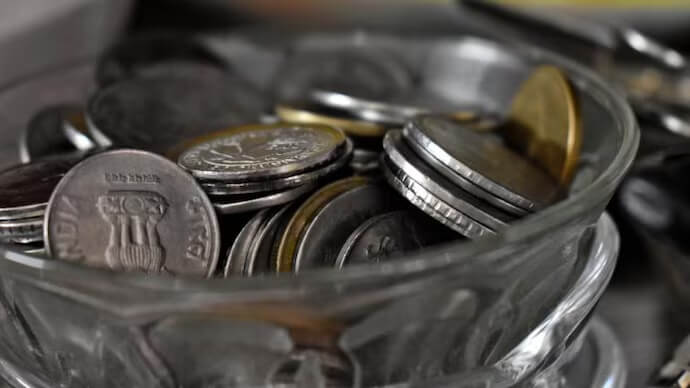
The manufacturing process of a one rupee coin involves several steps:
- Raw Material Procurement: Metals like nickel, copper, or steel are sourced from suppliers.
- Melting and Casting: The metals are melted at high temperatures and cast into large sheets or strips.
- Blanking: Blanks are punched out from the metal sheets. These blanks are the base material for coins.
- Annealing: The blanks are softened through a heat treatment process to make them suitable for stamping.
- Stamping and Embossing: Each blank is stamped with the design, including the denomination, emblem, and other features.
- Inspection: Coins undergo a rigorous quality control process to ensure they meet design and weight standards.
- Packaging and Distribution: Finished coins are packaged and distributed to banks and financial institutions.
Factors Influencing the Manufacturing Cost
Cost of Raw Materials
The price of raw materials is one of the most significant factors affecting the manufacturing cost of a one rupee coin. Metals like nickel and copper are subject to price volatility in the global market. For instance, a surge in copper prices due to supply chain disruptions can increase production costs.
Energy Costs
Coin manufacturing is an energy-intensive process. The melting, casting, and stamping of metals require substantial electricity and fuel. Fluctuations in energy prices directly impact the cost of production.
Labor Costs
The labor involved in minting operations includes skilled workers for machinery operation, quality control, and packaging. As wages and benefits for workers increase, labor costs also contribute to the overall cost of producing a one rupee coin.
Machinery and Maintenance
The minting process relies on advanced machinery for precision and efficiency. These machines require regular maintenance, and any upgrades or replacements add to the production cost.
Security and Logistics
Coins are high-value items, requiring stringent security measures during production and transportation. Additionally, the distribution of coins to banks and other financial institutions involves logistical expenses.
Approximate Manufacturing Cost of a One Rupee Coin
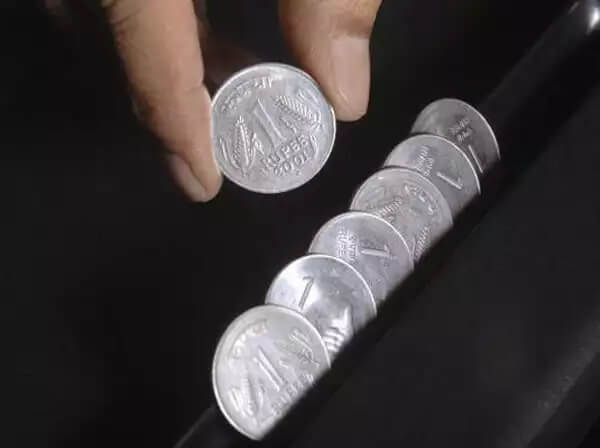
While the exact cost of manufacturing a one rupee coin varies based on factors like raw material prices and economic conditions, estimates suggest that the cost of producing a one rupee coin often exceeds its face value. Studies and reports indicate that the manufacturing cost of a one rupee coin can range between ₹1.10 and ₹1.50.
The government bears this cost as part of its responsibility to ensure the availability of physical currency for transactions. However, this cost disparity raises questions about the efficiency and sustainability of coin production.
Implications of High Manufacturing Costs
Economic Impact
The high manufacturing cost of low-denomination coins like the one rupee coin poses an economic challenge. When the production cost exceeds the face value, the government incurs a loss for every coin minted. Over time, this loss can accumulate into a significant financial burden.
Public Perception and Usage
Due to their low face value, one rupee coins are often perceived as less valuable by the public. Many people prefer to use digital payment methods or higher denomination currency for transactions, further reducing the demand for one rupee coins.
Transition to Alternative Methods
To address the cost issue, some countries have shifted from coins to other forms of currency, such as polymer banknotes or digital currencies. India has also seen a surge in digital payment platforms, which may eventually reduce the reliance on physical currency.
Measures to Reduce Manufacturing Costs
Optimizing Materials
One way to reduce the cost of manufacturing a one rupee coin is by using cheaper and more readily available materials. However, this approach must be balanced with the need to maintain durability and resistance to wear and tear.
Enhancing Production Efficiency
Investing in modern, energy-efficient machinery can help lower energy costs and improve the overall efficiency of the minting process. Automation can also reduce labor expenses.
Reducing Coin Usage
Promoting digital payments and reducing reliance on physical coins can help the government save on minting costs. Initiatives to educate the public about the benefits of digital transactions can support this transition.
Recycling Old Coins
Recycling worn-out or outdated coins to produce new ones is another cost-saving measure. This practice not only reduces the demand for raw materials but also minimizes environmental impact.
The Role of Technology in Currency Manufacturing
Technology plays a crucial role in modern currency manufacturing. Advanced machinery and automation have significantly improved the precision and efficiency of coin production. Additionally, innovations like laser engraving and digital design tools allow for intricate and tamper-proof coin designs.
The adoption of blockchain technology for currency tracking and authentication is also gaining traction. By ensuring that every coin is traceable and secure, blockchain can help reduce counterfeiting and improve overall currency management.
Environmental Considerations
The environmental impact of coin production is an important aspect to consider. Mining raw materials, consuming energy, and generating waste during the manufacturing process contribute to the carbon footprint of currency production. Efforts to use recycled materials and adopt eco-friendly practices can mitigate these effects.
Conclusion
The manufacturing cost of a one rupee coin is influenced by a complex interplay of factors, including raw material prices, energy consumption, and labor expenses. While the cost often exceeds the coin’s face value, the government continues to produce one rupee coins to meet the needs of the economy and maintain public trust in physical currency.
However, the rising costs and changing economic landscape highlight the need for innovative solutions. Whether through the adoption of digital payment systems, the use of cost-effective materials, or the implementation of advanced technologies, there are multiple pathways to reduce the financial and environmental impact of coin production.
As India and other nations navigate the challenges of currency manufacturing, it becomes clear that balancing economic efficiency with public convenience is crucial for the future of physical currency. The one rupee coin, despite its modest value, represents a significant aspect of the nation’s monetary system and serves as a reminder of the intricate processes that underpin everyday transactions.
