

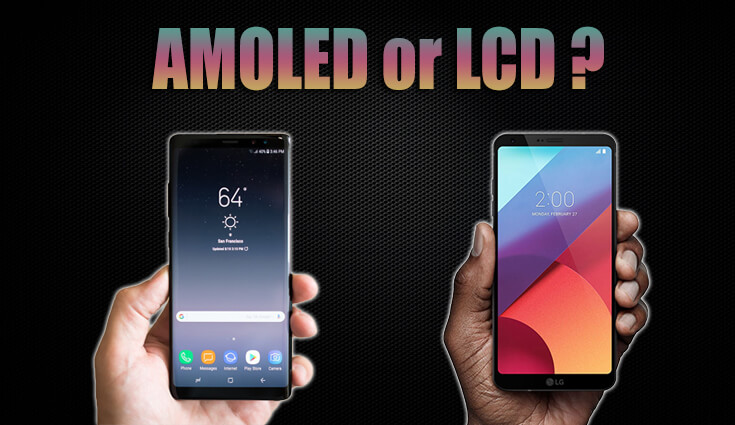
As we venture deeper into the digital age, the battle between AMOLED and LCD display technologies intensifies, with each vying for supremacy in the mobile device market. This article delves into the nuances of AMOLED vs LCD, exploring their strengths, weaknesses, and the path forward in the evolution of mobile displays.
Understanding the Contenders
Before forecasting the future, it’s crucial to understand the core technologies behind these displays.
- LCD (Liquid Crystal Display) technology has been the backbone of mobile and monitor displays for decades. It works by using a backlight to illuminate the screen, with liquid crystals acting as the medium that controls the passage of light. This method has made LCDs reliable, energy-efficient, and cost-effective, catering to a wide array of devices from budget to high-end smartphones.
- AMOLED (Active Matrix Organic Light Emitting Diode) displays represent a more recent technological advancement. They are characterized by an active matrix of OLED pixels that emit light upon receiving an electric current. Unlike LCDs, AMOLED displays do not require a backlight, allowing for deeper blacks and a higher contrast ratio. This technology is preferred for premium devices due to its ability to deliver vibrant colors and true blacks.
AMOLED vs LCD: The Showdown
- Display Quality: AMOLED screens are known for their superior display quality, offering higher contrast ratios and more saturated colors compared to LCDs. This makes them ideal for viewing high-definition content and enhances the user experience with vivid visuals.
- Energy Efficiency: AMOLED displays have a significant advantage in energy consumption, particularly when displaying dark scenes. Since black pixels are essentially “off,” they consume less power. LCDs, on the other hand, require the backlight to be always on, which consumes a consistent amount of power regardless of the displayed content.
- Viewing Angles and Brightness: AMOLED displays typically offer better viewing angles and brightness levels, making them easier to read in direct sunlight compared to LCDs. However, advancements in LCD technology, such as IPS (In-Plane Switching), have significantly improved viewing angles and brightness, narrowing the gap between the two technologies.
- Durability and Lifespan: LCDs generally offer a longer lifespan and are less prone to issues like burn-in, where remnants of images remain on the screen after prolonged use. AMOLED displays, due to their organic materials, are more susceptible to burn-in and degradation over time.
- Cost: LCDs are less expensive to produce than AMOLED displays, making them a cost-effective choice for budget and mid-range phones. The higher production cost of AMOLED screens is reflected in the price of devices equipped with this technology, typically found in the premium segment.
The Future of Mobile Displays
The trajectory of mobile display technology is influenced by consumer demand for higher-quality visuals, energy efficiency, and durability. As manufacturers innovate, we are witnessing the emergence of new display technologies such as foldable AMOLED screens, which offer unprecedented flexibility and open new avenues for device design.
Moreover, the development of MicroLED technology, which combines the best attributes of LCD and AMOLED, hints at a future where displays are even more vibrant, energy-efficient, and durable. MicroLED promises to offer the superior contrast and energy efficiency of AMOLED while eliminating concerns like burn-in.
Conclusion
In the ongoing AMOLED vs LCD debate, it’s clear that both technologies have their place in the current and future landscape of mobile displays. AMOLED is likely to continue dominating the high-end market segment with its superior display quality and innovation in flexible screens. Meanwhile, LCD technology is not standing still, with improvements in efficiency, color accuracy, and manufacturing costs ensuring its continued relevance in the mobile market.
Check our detailed guide on Qiuzziz.
As we look forward, the focus will likely shift toward emerging technologies that blend the best of both worlds, offering high-quality, energy-efficient, and durable displays that cater to an ever-expanding range of applications and consumer preferences.
FAQs
- What is the main difference between AMOLED and LCD displays?
- The main difference lies in the lighting technique; AMOLED pixels emit their own light, while LCD uses a backlight to illuminate its pixels.
- Why are AMOLED displays considered superior for premium devices?
- AMOLED displays offer higher contrast ratios, deeper blacks, and more vibrant colors, enhancing the viewing experience for premium content.
- Can LCD technology compete with AMOLED in the future?
- Yes, advancements in LCD technology, like improved efficiency and color accuracy, ensure it remains competitive, especially in the budget and mid-range markets.
- What is the future of mobile display technology?
- The future points towards innovations like foldable displays and the development of MicroLED technology, which could offer the benefits of both LCD and AMOLED.
- How does screen burn-in affect AMOLED displays?
- Screen burn-in occurs when a static image is displayed for a long time, leading to permanent discoloration of the screen areas. This issue is more prevalent in AMOLED displays due to the organic nature of the light-emitting compounds.
