
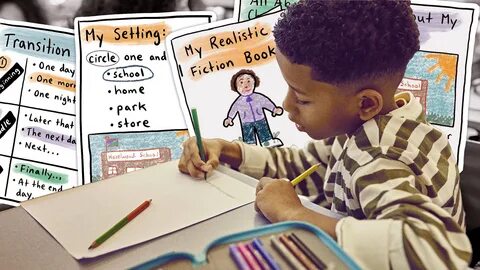

A child does not need a stage to become a storyteller. Sometimes all it takes is a notebook, a prompt, and the freedom to turn an ordinary idea into something vivid. That is one reason creative writing matters so much in the early school years. It gives children a way to shape thoughts, test ideas, and say something that feels truly their own.
That is also why creative writing for kids deserves more attention from parents and educators. It is not simply an extra activity for children who already enjoy words. It is a practical way to help primary school children grow in confidence, improve how they communicate, and build habits that support learning across the board.
It Gives Children A Stronger Sense Of Expression
Primary school children often have more ideas than they know how to organise. They may talk freely, imagine wildly, and notice details adults miss, yet still struggle when asked to write a few lines on paper. Creative writing helps close that gap.
When children invent a character, write a scene, or imagine what happens next in a story, they begin to understand that writing is not just about getting answers right. It is also about saying something clearly in their own way. That shift matters.
A child who feels heard on the page is more likely to stay engaged with writing. Over time, that can make a real difference to how they approach school tasks, class discussions, and even reading.
It Improves Writing Skills Without Making Learning Feel Mechanical
Children usually learn best when a skill has a purpose. Creative writing gives them that purpose. Instead of filling out isolated exercises, they use language to build something.
As they write, they naturally begin asking useful questions. How should the story start? Which word sounds stronger? How can this sentence be clearer? What would make the ending more interesting?
That process strengthens the basics in a way that feels active rather than forced.
Vocabulary Develops More Naturally
Children tend to remember words better when those words are tied to an image, a scene, or a character. A descriptive word becomes far more memorable when it helps bring a stormy sky or a mischievous fox to life.
Sentence Building Gets Stronger
Creative writing encourages children to move beyond short, repetitive sentences. They begin trying longer descriptions, sharper openings, and more varied sentence patterns, often without realising they are practising these skills.
Grammar Starts To Feel Useful
When punctuation changes the flow of a story, or when word choice affects meaning, grammar stops feeling like an abstract rule. It becomes part of making the writing work.
It Helps Children Think In More Flexible Ways
Imagination is often treated as something separate from academic learning, when in fact it supports a great deal of it. To write creatively, a child has to imagine possibilities, make choices, and think beyond what is directly in front of them.
That kind of thinking matters in school and beyond it.
Children who practise creative writing learn to consider cause and effect, picture different outcomes, and ask better questions. They begin to think in ways that are more open, curious, and adaptive.
That matters not just in English lessons, but in how they approach learning more generally.
It Makes Children More Thoughtful Readers
Strong readers often notice more than the plot. They start paying attention to how a story works. Creative writing helps children build that awareness.
Once a child has tried writing their own opening, they begin to notice how published stories begin. Once they have struggled to make a character feel real, they become more aware of how authors do it well.
This changes reading from a passive task into an active one.
Children Start Recognising Structure
When they write their own beginnings, middles, and endings, children become better at spotting those shapes in the books they read.
They Pay Closer Attention To Language
A child who writes is often more likely to notice phrases, descriptions, and dialogue choices in stories. Reading becomes richer because they are no longer only following events. They are also noticing craft.
It Gives Children A Safe Way To Explore Feelings And Ideas
Children do not always explain emotions directly. Many find it easier to approach big feelings through characters, settings, and made-up situations. Creative writing allows that.
A child may not want to say they feel nervous, lonely, excited, or confused. Yet they may happily write about a character facing those emotions. This creates space for reflection without pressure.
That does not mean every piece of writing must carry a deep emotional message. It simply means creative writing gives children another route into self-expression, and for many, that route feels easier and more natural.
It Teaches Children How To Organise Thoughts Clearly
One of the most useful things creative writing does is teach order. Children may begin with imagination, but they still have to decide what happens first, what follows, and how events connect.
That is valuable training.
Writing a story helps children learn how to shape ideas, maintain direction, and create a sense of sequence. These skills matter well beyond storytelling. They support clearer answers in school, stronger explanations, and better communication overall.
A child who can organise a short narrative is already learning how to structure thought.
It Can Rebuild Confidence In Reluctant Writers
For some children, writing becomes stressful very early. They worry about mistakes, fear correction, or feel they are not good enough. Once that feeling sets in, they may begin avoiding writing altogether.
Creative writing can help change that pattern.
Because it starts with imagination, it often feels less restrictive. Children are not only responding to a fixed task. They are making something. That sense of ownership can make writing feel more inviting.
When children care about the idea they are working on, they are often more open to improving it too.
The Work Feels Personal
A story belongs to the child who created it. That alone can make effort feel more meaningful.
Progress Feels Easier To Notice
When a child adds more detail, creates a stronger ending, or writes with greater clarity, the improvement is visible. That kind of progress builds trust in their own ability.
It Supports Skills That Matter Beyond The Classroom
The value of creative writing is not limited to school assignments. It helps children build habits they will keep using as they grow.
They learn how to communicate ideas more clearly. They get better at noticing detail. They practise staying with a task and shaping it until it works. They also become more comfortable expressing themselves.
These are useful skills in any setting. A child who learns to write with confidence often carries that confidence into speaking, reading, discussion, and later academic work.
What Adults Should Watch For
The goal is not perfect stories. It is growth.
Parents and teachers do not need to look for polished writing every time. The more meaningful signs are often simpler. A child may start writing with less hesitation. Their ideas may become more detailed. Their sentences may begin to sound clearer and more varied. They may even start enjoying writing rather than resisting it.
That enjoyment matters. Children stick with activities that feel rewarding. And the more they write, the stronger they become.
The best support usually combines guidance with room to explore. Children need encouragement, useful feedback, and enough freedom to make choices for themselves.
Final Thoughts
Creative writing plays an important role in primary education because it helps children build more than writing ability. It supports confidence, imagination, structure, reading awareness, and clear expression at a stage when all of these are still developing.
For primary school children, that matters deeply. Writing stories, describing new worlds, and experimenting with language may look playful on the surface, but the learning underneath is real and lasting.
When children are given the chance to write creatively, they are not being pulled away from meaningful education. They are being given one of the clearest ways to grow into it.
FAQs
What Is The Right Age To Start Creative Writing?
Children can begin creative writing as soon as they are able to express simple ideas in words. For younger children, this may start with short sentences, picture prompts, or guided storytelling.
Can Creative Writing Help With School Writing Too?
Yes. Creative writing helps children practise vocabulary, sentence formation, organisation, and clarity. These skills often carry over into other kinds of school writing.
What If A Child Says They Do Not Like Writing?
That is common. Many children respond better when writing feels imaginative rather than pressured. A good prompt, a fun topic, or the chance to invent a character can make a big difference.
Does Creative Writing Take Attention Away From Grammar?
Not at all. It can actually make grammar more meaningful because children use it in real writing. They begin to see how punctuation, sentence structure, and word choice affect what the reader understands.
How Can Parents Encourage Creative Writing At Home?
Keep it simple. Use story starters, interesting pictures, everyday situations, or “what would happen if” questions. Let children speak their ideas first if needed, then help them shape those ideas into writing with patience and encouragement.
