


Key Takeaways
- Invoice finance gives service-based businesses fast access to cash tied up in outstanding invoices.
- This financing tool helps businesses manage cash flow, scale quickly, and reduce reliance on traditional loans.
- Choosing the right provider and understanding terms are essential to maximize benefits.
- New digital platforms are making invoice finance more accessible and efficient than ever.
Understanding Invoice Finance
Service-based businesses often face the challenge of waiting weeks—or even months—for clients to settle their invoices. This delay can stall growth and make managing day-to-day operations difficult. Invoice finance is a practical solution that enables companies to unlock the value of unpaid invoices and access working capital when they need it most. Through confidential invoice financing, business owners can convert their outstanding invoices into immediate cash without notifying their clients, thereby providing much-needed financial flexibility.
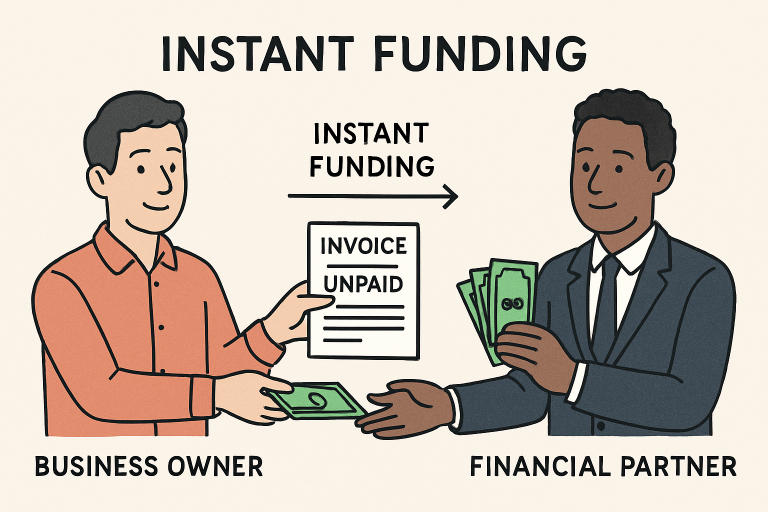
When using invoice finance, a business submits its unpaid invoices to a finance partner, who pays a large portion (typically 70-90%) of the invoice value upfront. The balance, minus fees, is paid once the customer settles the invoice. This process helps businesses maintain smooth operations and fund expansion initiatives.
Benefits for Service-Based Businesses
Cash flow interruptions aren’t just inconvenient—they can prevent businesses from reaching their potential. Invoice finance offers several key benefits to service-based businesses looking for ways to grow and respond swiftly to market opportunities:
- Improved Cash Flow: Turn unpaid invoices into immediate funding, reducing dependence on savings or traditional loans.
- Flexible Use: Businesses can choose which invoices to finance and when, tailoring solutions to unique cash flow needs.
- Supports Growth: As sales increase, the value of available funding grows in tandem, making it easier to hire, invest in technology, or launch new projects.
Unlike conventional loans, which often come with restrictive terms and lengthy application processes, invoice finance is directly tied to business activity and adapts as your business grows. This makes it ideal for companies dealing with seasonal demand, expansion, or major new contracts.
Implementing Invoice Finance
Implementing an effective invoice finance strategy requires careful planning and consideration. Here are some steps for getting started:
- Assess Cash Flow Gaps: Review your payment cycles and pinpoint where cash flow shortages hinder growth or operational stability.
- Choose the Best Partner: Look for an invoice finance provider with a strong reputation, positive client testimonials, and relevant industry experience. Industry leaders, such as Principal Financial Group, provide valuable resources to help businesses understand their financial solutions.
- Understand the Terms: Review the details of financing offers, including advance rates, fees, and payment structures, to ensure they align with your financial goals and do not create future cash flow issues.
Potential Risks and Mitigation
While invoice finance has many advantages, understanding possible challenges is crucial for making an informed decision:
- Higher Costs: Fees for invoice finance may exceed those of traditional loans. Use invoice finance selectively—especially when access to speedy cash is worth the additional expense.
- Customer Relations: If a provider manages collections poorly, client relationships could suffer. Choose a partner known for discrete and professional interactions.
- Long-Term Commitments: Some agreements may lock businesses into inflexible contracts. Whenever possible, negotiate to keep your options open and avoid being bound to terms that don’t suit your evolving needs.
Thorough due diligence, transparent discussions with providers, and keeping clients informed where necessary can help mitigate these risks, ensuring that invoice finance strengthens rather than undermines your business relationships and financial health.
Technological Advancements in Invoice Finance
The landscape of invoice finance has evolved rapidly thanks to digital innovation. Modern online platforms now allow businesses to upload invoices and receive funding decisions within hours, bypassing the lengthy paperwork and face-to-face meetings of the past. Some platforms operate around the clock, giving companies the freedom to submit invoices and access capital on their schedule, not a lender’s. This agility can be a make-or-break factor during busy seasons or unexpected opportunities.
Automation and API integrations have also allowed businesses to seamlessly connect invoice finance solutions with their accounting software, reducing manual input and minimizing errors. This technological progress means that even smaller service-based businesses can take advantage of financing options that were once accessible only to large corporations.
Final Thoughts
For service-based businesses, invoice finance is a growingly popular tool to maintain a steady cash flow and support sustainable growth. By turning outstanding invoices into accessible capital, these businesses can fund operations, invest with confidence, and meet rising demand—all without waiting on lengthy payment terms. Always consider the implications of cost and partner selection, and leverage the newest technological solutions to make invoice finance as seamless as possible. With the right approach, invoice finance can be the engine that powers your business to the next level.
