
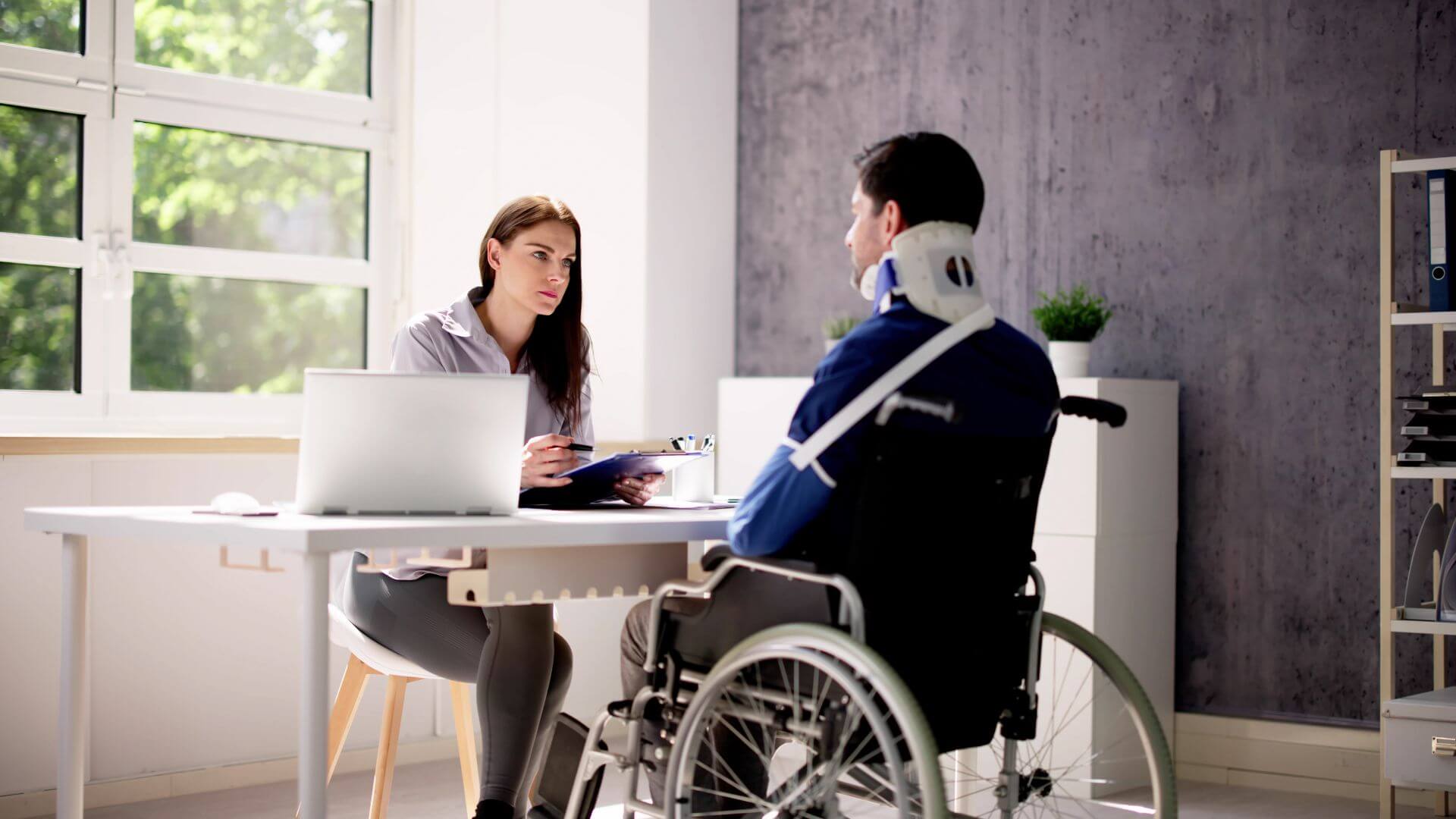

Personal injuries can occur in a wide variety of situations, often resulting from accidents that disrupt daily life or cause lasting physical and emotional effects. While some incidents are unpredictable, understanding the circumstances that commonly lead to injuries can help individuals take precautions and respond appropriately when accidents occur. From slips and falls to motor vehicle collisions, many cases arise due to factors such as negligence, unsafe conditions, or unforeseen hazards. Recognizing these patterns not only helps in preventing harm but also provides insight into the legal processes that may follow.
When injuries do occur, navigating the aftermath can be complex, including medical treatment, insurance claims, and potential legal action. Consulting with a knowledgeable professional, such as a best injury attorney, can help individuals understand their rights and pursue fair outcomes. Firms like Wayne Hardee Law offer guidance in evaluating cases and ensuring that victims are informed throughout the process. By being aware of common causes and seeking proper assistance, people can better protect themselves and make informed decisions after an accident.
Motor Vehicle Accidents
Car, truck, and motorcycle accidents are among the most common sources of personal injury claims in the United States. These incidents are often caused by:
- Distracted Driving: Activities such as texting, using navigation apps, or any behavior that diverts a driver’s attention significantly increase the risk of collisions.
- Speeding: Exceeding speed limits or driving too fast for conditions reduces the time available to react and avoid crashes.
- Driving Under the Influence (DUI): Alcohol and drugs severely impair a driver’s reflexes and judgment.
According to the National Highway Traffic Safety Administration, over 36,000 people died in motor vehicle accidents in the U.S. in 2019, with distracted driving alone responsible for thousands of preventable fatalities.
Slip and Fall Incidents
Slip and fall cases frequently arise when property owners or managers fail to address hazardous conditions. Common risk factors include wet or uneven surfaces, poor lighting, unmarked obstacles, or a lack of handrails. Falls can cause broken bones, traumatic brain injuries, and other serious harm—especially for older adults.
Premises liability laws require property owners to maintain reasonably safe environments. Failing to rectify known dangers or warn visitors can result in liability for any injuries that may occur.
Medical Malpractice
Medical malpractice occurs when healthcare providers fail to adhere to the accepted standard of care, resulting in harm to patients. Examples include:
- Delayed or missed diagnoses that worsen a patient’s condition
- Surgical procedures performed on the wrong body part
- Medication errors involving incorrect dosages or inappropriate prescriptions
A study published by Johns Hopkins estimates that medical errors may be the third leading cause of death in the U.S., underscoring the critical need for patients to advocate for their health and for providers to adhere to best practices.
Workplace Accidents
Occupations involving manual labor or hazardous materials, such as construction, manufacturing, and transportation, often carry significant risks. Primary causes of workplace injuries include:
- Insufficient safety protocols and a lack of protective gear
- Faulty or misused tools and machinery
- Inadequate training or supervision leading to preventable errors
The U.S. Bureau of Labor Statistics reports that thousands of workers die and millions are injured on the job each year. Employers must comply with federal and state safety standards to minimize these risks.
Product Liability
Manufacturers, distributors, and sellers can be held liable for selling or distributing products that are dangerous or defective. Product liability laws generally focus on:
- Design flaws that render products unsafe from inception
- Manufacturing errors, such as contamination or improper assembly
- Inadequate instructions or warnings for consumers
Victims injured by everyday products—such as vehicles, electronics, toys, or medications—may be entitled to compensation if negligence can be demonstrated.
Dog Bites
Dog attacks can result in serious physical and emotional injuries, particularly among children. Many states impose “strict liability” on dog owners, holding them financially responsible even if the pet has never bitten before. Prompt medical attention and legal action can be critical for bite victims.
Bicycle and Pedestrian Accidents
Bicyclists and pedestrians face significant dangers, as they have little protection in the event of a crash. These accidents are commonly caused by negligent driving, distracted drivers, a lack of crosswalks, or inadequate lighting. In 2019, over 6,000 pedestrians died in vehicle-related incidents—an alarming statistic highlighting the urgency for safer infrastructure and driver awareness programs.
Nursing Home Neglect
Nursing home residents are especially vulnerable to harm if staff fail to provide proper care. Neglect may manifest as ignoring medical needs, insufficient food or water, failure to prevent falls, or physical and emotional abuse. Loved ones should watch for warning signs like sudden weight loss, unexplained injuries, or emotional withdrawal, and report concerns to authorities promptly.
Conclusion
Understanding the common causes of personal injuries—from motor vehicle accidents to nursing home neglect—highlights the importance of awareness, safety, and timely intervention. While accidents can happen unexpectedly, knowing the risks and taking preventive measures can significantly reduce the likelihood of harm. In cases where injuries do occur, seeking guidance from knowledgeable professionals ensures that victims are informed about their rights and potential remedies. Being proactive, both in prevention and response, helps individuals protect themselves, support recovery, and navigate the legal and medical processes more effectively.
