
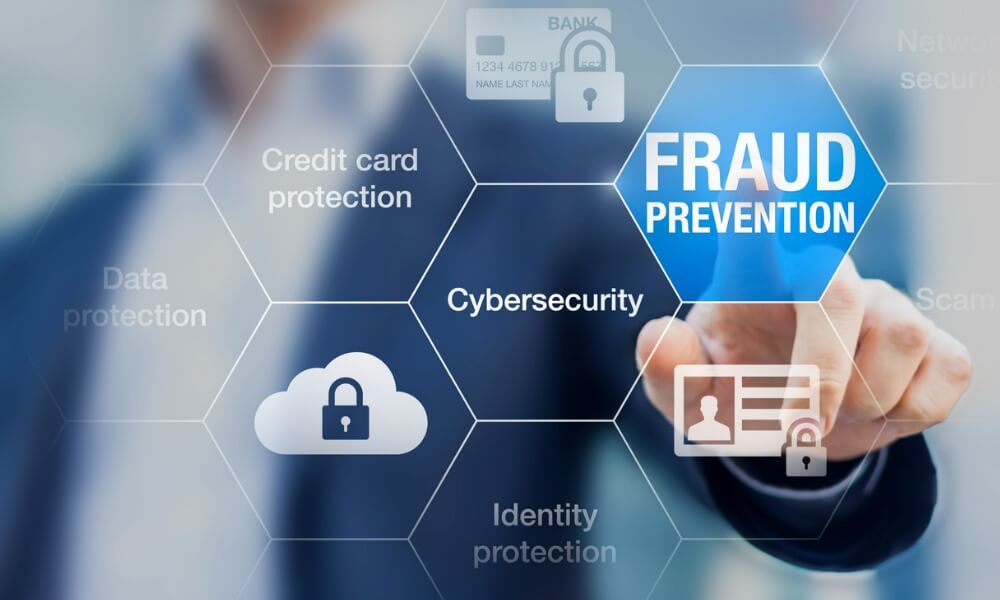

Understanding the Landscape of Banking Security Threats
The banking sector faces constant threats from cybercriminals. These threats are becoming more sophisticated, targeting both institutions and their customers. Financial data, personal information, and digital assets are attractive to attackers seeking to commit fraud or theft.
The sheer volume of transactions and the value of data managed by banks make them a prime target. Attackers employ a range of techniques to compromise systems, including direct hacking attempts and social engineering tactics that trick individuals into divulging sensitive information. As digital banking grows, so does the attack surface, giving criminals more opportunities to exploit weaknesses.
The Role of Cybersecurity in Preventing Banking Fraud
Banks employ robust cybersecurity measures to prevent fraud before it occurs. Solutions like multi-factor authentication, encryption, and monitoring tools help detect and block threats. You can read more about advanced cybersecurity in banking for fraud prevention to see how these solutions protect sensitive data and customer accounts.
Modern banks also rely on artificial intelligence and machine learning to spot unusual patterns in transactions. These systems can flag suspicious activity in real-time, allowing for quick responses. Regulatory frameworks, such as those provided by the Office of the Comptroller of the Currency, guide banks in implementing effective cybersecurity strategies.
Types of Security Threats Facing Banks
Phishing remains a leading threat, tricking users into giving away login details. Ransomware attacks can lock access to systems, demanding payment for release. Insider threats, where employees misuse access, are also a concern. According to the Federal Trade Commission, phishing scams in banking are on the rise.
In addition to these, banks face threats from credential stuffing, where attackers use stolen passwords from other breaches to try to access accounts. Distributed denial-of-service (DDoS) attacks can overwhelm online banking platforms, disrupting services for customers.
The Impact of Ransomware and Malware
Malware and ransomware can disrupt banking operations and result in significant financial losses. Attackers may use malicious software to steal information or hold data hostage. The FBI provides guidance on how ransomware affects financial organizations and ways to report attacks.
Malware can be delivered through email attachments, malicious websites, or even compromised software updates. Once inside a system, it can spread quickly, affecting multiple departments and services. The costs go beyond ransom payments and may include system restoration, legal fees, and loss of customer trust.
Emerging Threats: Social Engineering and Business Email Compromise
Social engineering attacks employ psychological tactics to gain unauthorised access to accounts or sensitive data. Business email compromise targets employees through fake messages, often leading to unauthorized fund transfers. Training staff to spot these tactics is vital. The Cybersecurity and Infrastructure Security Agency offers tips for recognizing social engineering.
Attackers may pose as executives or trusted vendors, convincing staff to share sensitive information or change payment instructions. These scams can be highly targeted and convincing, making employee vigilance key to prevention.
Regulatory Requirements and Compliance in Banking Security
Banks must adhere to strict regulations to protect customer data and maintain their trust. Compliance with standards such as the Gramm-Leach-Bliley Act (GLBA) and the Payment Card Industry Data Security Standard (PCI DSS) is required. These rules set minimum security requirements and outline steps for responding to breaches.
Regular audits and assessments help banks identify gaps in their defenses. Non-compliance can result in heavy fines and a loss of reputation, so banks must stay updated on changing regulations. The Federal Financial Institutions Examination Council provides further information on compliance for banks.
Best Practices for Banks to Prevent Security Breaches
Banks can stop many threats by following strong security practices. Regular software updates, strict password policies, and monitoring for unusual activity are essential. Limiting access to sensitive data reduces the risk of insider threats. Continuous employee education also helps keep defenses strong.
Banks should also conduct regular penetration testing to find and fix vulnerabilities before attackers can exploit them. Using encryption for data at rest and in transit is critical. Backing up important data ensures that banks can recover quickly from attacks, such as ransomware.
The Importance of Customer Awareness
Customers play a key role in banking security. Banks should provide clear guidance on how to identify scams and protect personal information. Encouraging customers to use strong, unique passwords and enabling alerts for account activity can help stop fraud.
Many banks now offer educational materials and workshops to help customers stay informed. Customers should be wary of unsolicited requests for information and never share passwords or one-time codes. If something seems suspicious, it’s best to contact the bank directly using official contact details.
Incident Response and Recovery Planning
Even with the best defenses, no bank is immune to attacks. Having a detailed incident response plan allows banks to act quickly, limit damage, and recover operations. Regular drills and updates to these plans are important for readiness.
A good response plan includes steps for identifying the breach, containing the threat, notifying affected parties, and restoring services. Communication is key to maintaining trust with customers during and after an incident.
The Future of Banking Security: Trends and Technologies
The future of banking security will see more use of artificial intelligence to detect threats and automate responses. Biometric authentication, like fingerprint or facial recognition, is becoming more common for secure access. Blockchain technology may also play a role in securing transactions and reducing fraud.
Banks will continue to invest in threat intelligence sharing, working with industry partners and government agencies to stay ahead of new risks. As technology evolves, so do the tactics of cybercriminals, making ongoing vigilance and adaptation essential.
Conclusion
Security threats in banking are always changing, but strong policies and up-to-date technology can help reduce risks. Banks must stay alert, regularly update their defenses, and educate both staff and customers. By working together, the industry can better protect financial data and maintain trust.
FAQ
What are the most common security threats in banking?
Phishing, ransomware, malware, insider threats, and social engineering are among the most common security risks banks face.
How can customers protect themselves from banking fraud?
Customers should use strong passwords, enable two-factor authentication, and be cautious of suspicious emails or messages.
What should banks do if they experience a security breach?
Banks should follow their incident response plan, notify affected individuals, work to contain the breach, and report the incident to authorities.
